


Desert
Las Vegas, NV 89124-8402
Plan Your Visit
As the largest refuge in the lower 48 states, Desert NWR is an excellent place to visit, whether for a day trip or a longer stay. The refuge offers a wide variety of recreation opportunities, from birdwatching and leisurely strolls, to hiking and backpacking, to long drives on solitary four-wheel-drive (4WD) roads.
Visitor Center
Let our staff and volunteers at the Corn Creek Visitor Center help you plan your visit! This is a great starting point for visitors to become more familiar with the refuge and the wildlife that live here. Visitors can watch a 17-minute refuge orientation video, browse wildlife and human history exhibits, shop the nature store and obtain maps and brochures. The Corn Creek trail system leaves from behind the visitor center, and its 1.5 miles of trail winds through different habitats and past cultural remnants, an excellent way to start your refuge experience! Along the trail, take a peek at the endangered Pahrump poolfish in our refugium. Or, make your way to the railroad tie cabin, which was built with railroad ties from the abandoned Las Vegas & Tonopah Railroad. Old scars from the railroad spikes still mark the walls of this 1920s historic home.
Alamo Road
This rugged road traverses over 70 miles (113 km) to connect Desert NWR to Pahranagat NWR and Alamo. While the Dry Lake portion of the road is often impassable and closed due to hazardous conditions, there are many stops along the way that make it an excellent trip.
Mormon Well Road
Traveling through Desert Pass, this road covers 47 miles (76 km) to connect to US-93 near State Highway-168. The full route may be closed due to hazardous conditions – make sure to check with the refuge before you head out.
Gass Peak Road
Branching off of Mormon Well Road, Gass Peak Road takes you on an out and back through the Las Vegas Range. Four-wheel drive (4WD) is needed beyond Quail Springs Road, approximately 9 miles (14 km) after the Mormon Well Road turnoff.
Camping at the Desert Pass Campground is fee-free and available on a first-come, first-served basis. No other on-site pass requirements are mentioned.
Activities


More Activities
Featured Species


Get Involved
Whether you want to further conservation, learn more about nature or share your love of the outdoors, you’ve come to the right place. National wildlife refuges provide many opportunities for you to help your community by doing what you love.
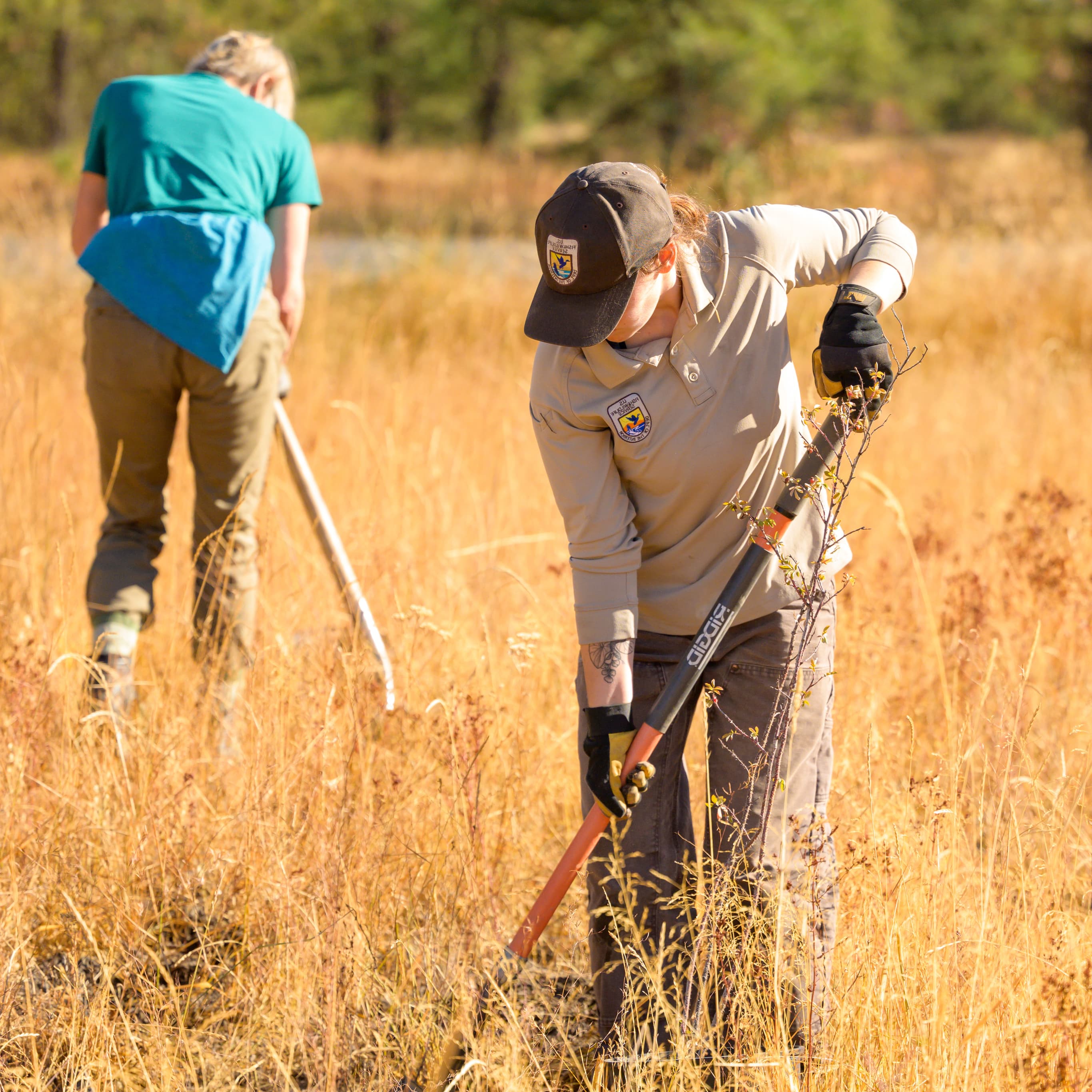
Working with others to conserve, protect, and enhance fish, wildlife, plants, and their habitats for the continuing benefit of the American people.
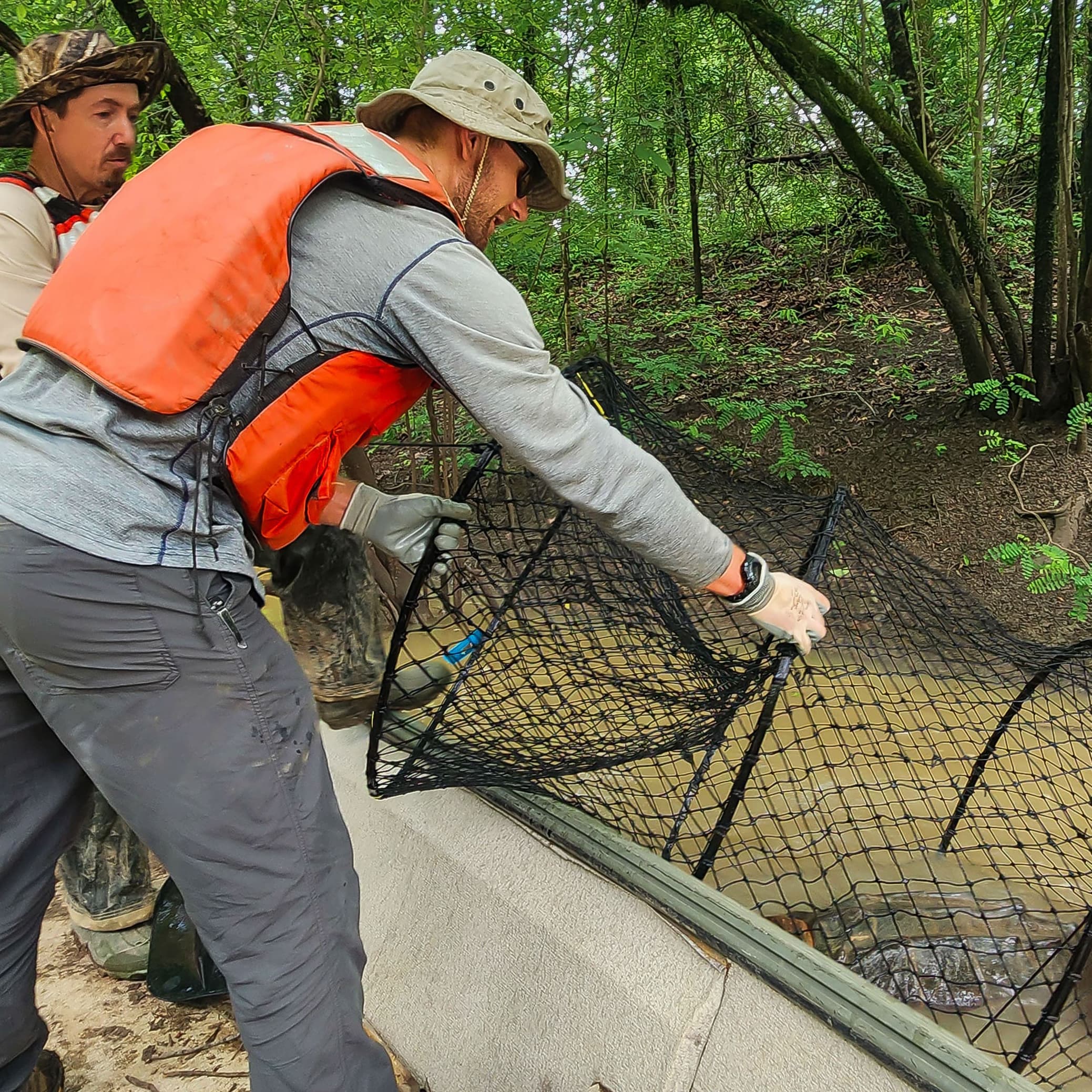
Work with Us
Our dedicated employees perform a wide range of jobs at national wildlife refuges and national fish hatcheries and with public, tribal and private partners.
We hope you’ll join us in advancing our mission of working with others to conserve, protect and enhance fish, wildlife, plants and their habitats for the continuing benefit of the American people.
About
Straddling the Mojave and Great Basin Deserts, the Desert National Wildlife Refuge protects a wide variety of ecosystems across a diverse landscape.The refuge was established in 1936 in order to provide habitat for the desert bighorn sheep and other desert wildlife. Today, it is the largest wildlife refuge outside of Alaska. All told, it protects hundreds of different species of plants & animals across seven different life zones, with much of the land managed as de facto wilderness since 1974.