


Hanford Reach

Plan Your Visit
The Hanford Reach National Monument is an outdoor enthusiast's dream. Visitors may currently access over 57,000 acres providing wildlife dependent recreational opportunities.
Hunters can pursue trophy mule deer and the occasional elk from a herd boasting some of the largest elk in the West. Anglers can pursue salmon, steelhead, monster white sturgeon, largemouth bass, walleye, and many other sportfish. Spring often brings good wildflower shows, and abundant wildlife provide year round opportunities for photography and wildlife observation. Old military and service roads provide miles of hiking opportunities, and the more adventurous can head off cross-country on foot.
The Hanford Reach provides motorized and non motorized boating opportunities on the nation's only remaining non tidal, free flowing stretch of the Columbia River. Jetboating or kayaking trips are excellent ways to see the river, experience its history, and catch a glimpse of deer, pelicans, coyotes, bald and golden eagles, egrets, various herons and waterfowl of all descriptions.
The Monument is a land of extremes—heat and cold, water and desert, ancient and modern. While not an unduly dangerous landscape, caution needs to be taken when venturing out into it. There are few visitor facilities at present, and the visitor should plan on self-sufficiency. It's dry; bring plenty of water. River winds can capsize small craft; wear lifejackets. Some areas are remote; let someone know your destination and when you'll be back. Cell coverage is generally pretty good, due the flat landscape, but that shouldn't be your emergency plan. While rare and very shy, there are Pacific rattlesnakes, so don't reach into areas without first checking. The only real wildlife threats would be allergic reactions to insect or spider bites (e.g., black widow spiders).
Visitors should be prepared for minimal signing and primitive facilities. Our brochure is available HERE. If you'd like a paper version, just drop us a note with your name and address.
We also encourage you to visit The REACH Interpretive Center.
Warnings aside, the Monument is a fairly safe and pleasant environment. Obey signs and follow common sense, and you'll enjoy your visit to this unique national monument and wildlife refuge.
Activities


Get Involved

Work with Us
Are you an experienced services professional looking for a meaningful opportunity to assist the Hanford Reach National Monument with our biology program? We want to hear from you!
We will soon be seeking motivated individuals to join our team through NEW Solutions in a year-long opportunity — 20 hours per week — where your skills and experience can make a real impact.
To be eligible, you must be enrolled in the NEW Solutions ESP (Experienced Services Professional) program.
To get started, please visit the NEW Solutions Application Portal.
The Monument will be looking to connect with an experienced services professional for an opportunity to assist with our biology program in the near future. Don't miss out — have your NEW Solutions application submitted now in order to apply for the Monuments opportunity!

Work with Us
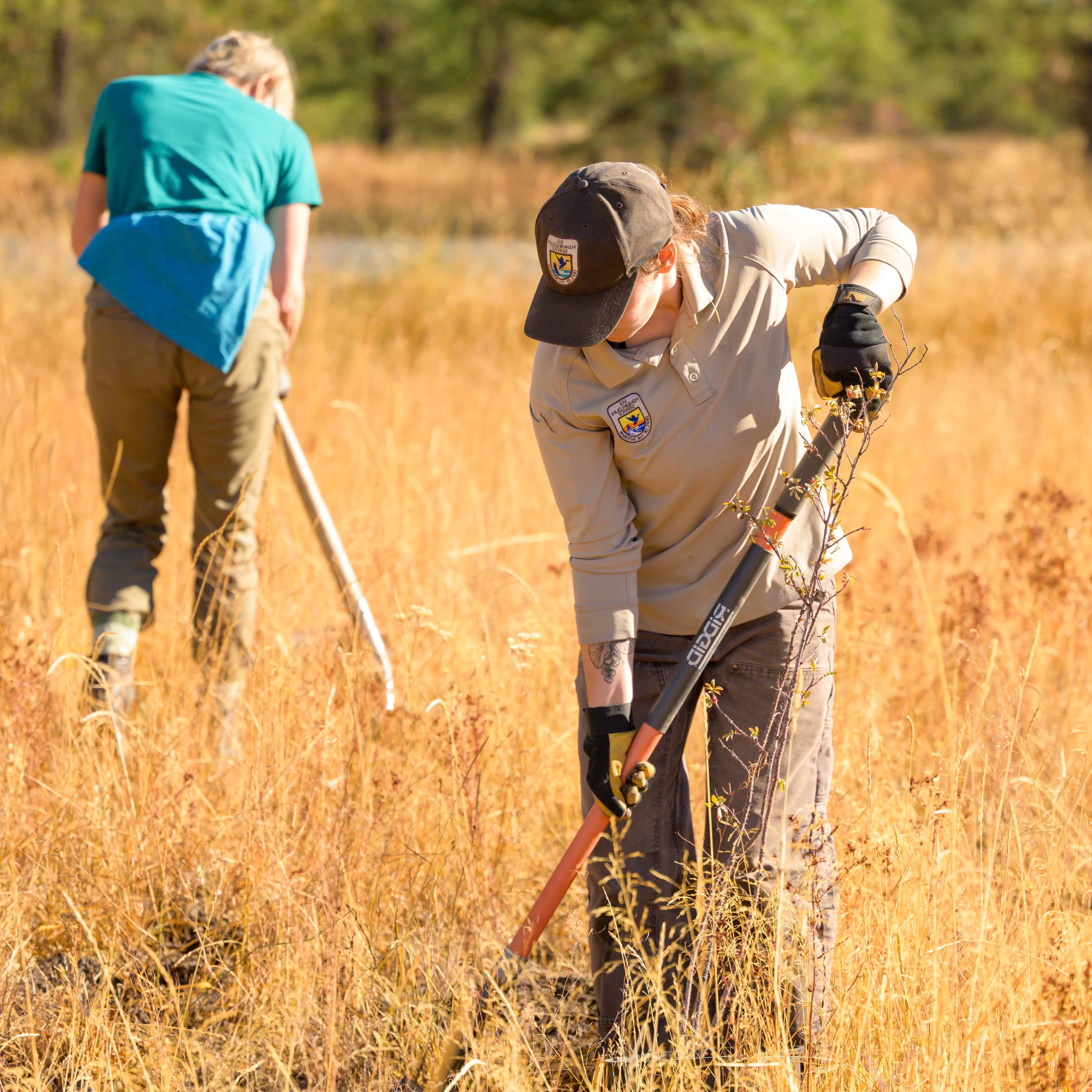
Our dedicated employees perform a wide range of jobs at national wildlife refuges and national fish hatcheries and with public, tribal and private partners.
We hope you’ll join us in advancing our mission of working with others to conserve, protect and enhance fish, wildlife, plants and their habitats for the continuing benefit of the American people.
Working with others to conserve, protect, and enhance fish, wildlife, plants, and their habitats for the continuing benefit of the American people.
Services
Other Facilities in the Complex


About
Protected by Presidential Proclamation in 2000 under the American Antiquities Act, the Monument is a place of sweeping vistas and stark beauty, of towering bluffs and delicate flowers. Wildlife abounds in this harsh landscape—rare is a trip along the river that doesn't produce mule deer, coyotes, bald eagles, great blue herons, or white pelicans. A large elk herd hides in the canyons, and incredibly, porcupines are a common sight. Rare plants defy the desert, wind and heat. Beautiful spring wildflower displays delight the visitor who ventures into the field.
The Monument is also a reminder of our history as a nation. Plutonium reactors stand along the river, remnants of WWII and the Cold War. Plutonium from B Reactor fueled "Fat Man," the atomic bomb dropped on Nagasaki, Japan, on August 9, 1945. No longer in production, these reactors are now being dismantled, and the lands and waters cleaned.
So, whether you're interested in history, sightseeing, wildlife, hunting, fishing, or just enjoying a bit of time away from the bustle of everyday life, the Hanford Reach National Monument has something to offer you. But don't come expecting a lot of visitor facilities—they don't exist. You'll be experiencing the Monument on its own terms.
The Hanford Reach National Monument comprises over 196,000 acres in arid eastern Washington and was the first national monument for the U.S. Fish & Wildlife Service. Established to protect a unique shrub-steppe ecosystem and over 10,000 years of human history, it includes 46.5 miles of the free-flowing Columbia River. The land's history involves the production of plutonium for national defense during WWII and the Cold War, which preserved large tracts of habitat as security buffer zones. Today, the Monument is managed for the conservation of its diverse biological, geological, and cultural resources.