


Tamarac
Rochert, MN 56578
Plan Your Visit
National wildlife refuges offer us all a chance to unplug from the stresses of daily life and reconnect with our natural surroundings. Visitors to Tamarac National Wildlife Refuge can participate in many activities including hiking, birdwatching, fishing, hunting and photography. We also offer educational programs including tours, workshops, children’s activities and more. The visitor center provides refuge information and includes an exhibit area, wildlife observation deck, fifteen-minute film "Rhythms of Refuge," and bird feeding station.
Visitor Center Hours:
- Winter: February 2027 - Sundays 12:00-4:00 PM with free snowshoe rental.
- Summer: TBD pending staffing resources
- Closed Federal Holidays.
Staff are no longer issuing passes on site. Order your pass on-line at the U.S. Geological Survey Online Store
The Tamarac Refuge Visitor Center is located at the intersection of Highways 26 and 29. This is approximately 25 miles northeast of Detroit Lakes, MN or 35 miles northwest of Park Rapids, MN.
Activities


More Activities
Featured Species


Get Involved
Tamarac National Wildlife Refuge offers opportunities to help the community through volunteering, environmental education, and research projects. We work with over 100 volunteers and partners like the Friends of Tamarac to further conservation and share a love for the outdoors.
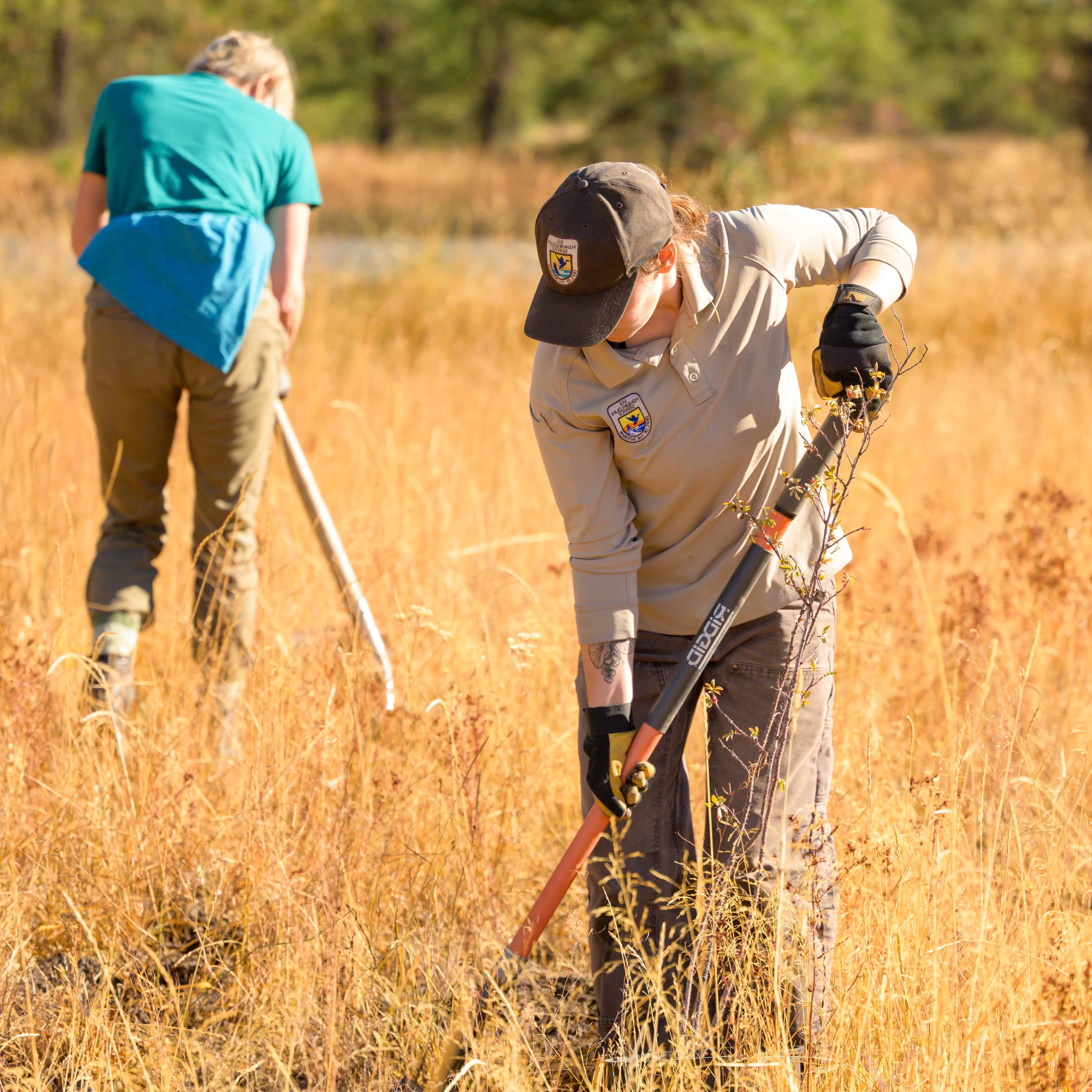
Working with others to conserve, protect, and enhance fish, wildlife, plants, and their habitats for the continuing benefit of the American people.
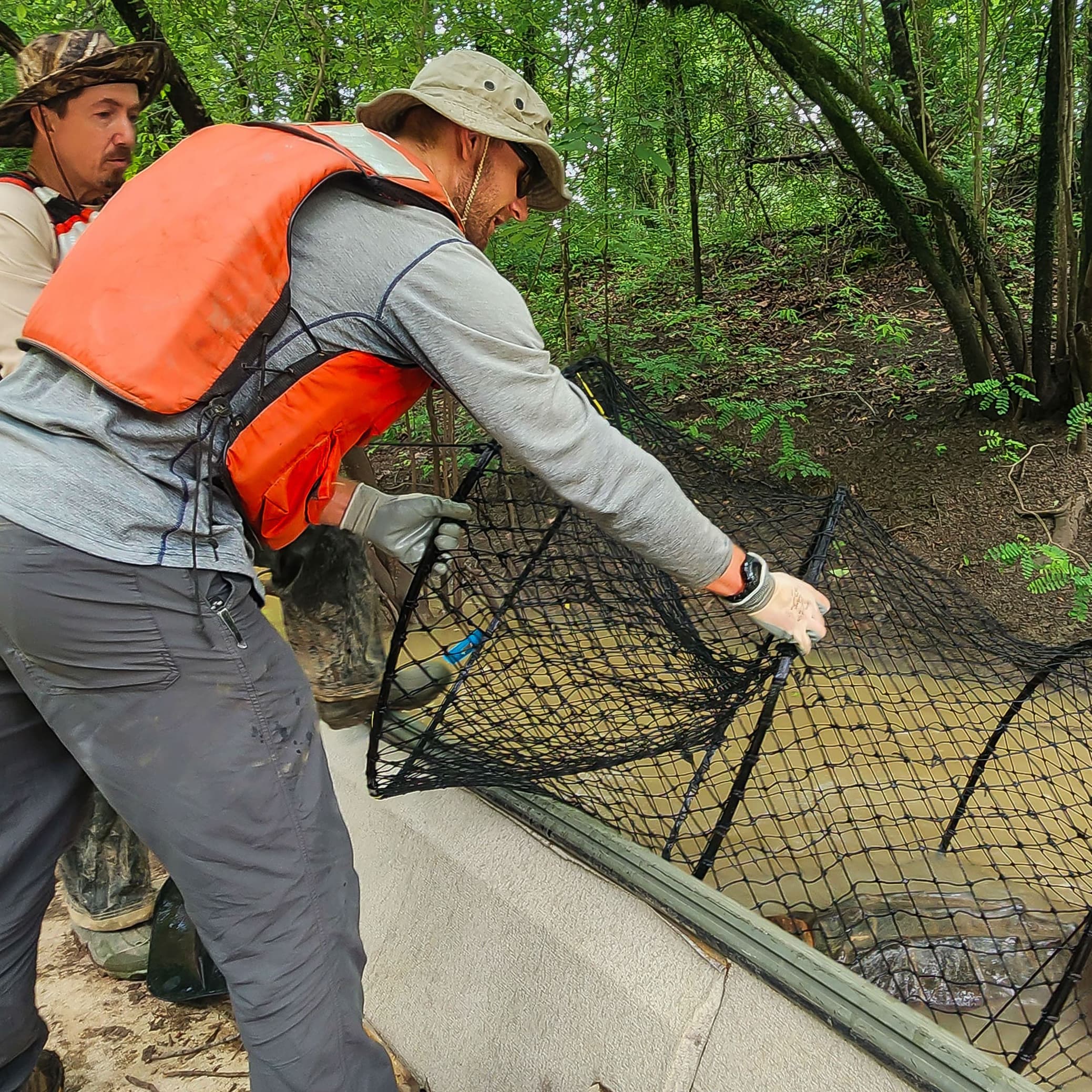
Work with Us
Our dedicated employees perform a wide range of jobs at national wildlife refuges and national fish hatcheries and with public, tribal and private partners.
We hope you’ll join us in advancing our mission of working with others to conserve, protect and enhance fish, wildlife, plants and their habitats for the continuing benefit of the American people.
Services
Federal Recreation Passes
There is no entrance fee or parking permit required to visit the refuge.
Staff are no longer issuing passes on-site. Order passes on-line at America the Beautiful National Parks & Federal Recreational Lands Passes | USGS Store
About
Tamarac National Wildlife Refuge was established in 1938 to serve as a sanctuary and breeding ground for migratory birds and other wildlife. The refuge spans a unique transition zone where hardwoods, coniferous forests, and tallgrass prairies meet, providing habitat for species like trumpeter swans and golden-winged warblers. A portion of its landscape is congressionally designated wilderness, and it maintains a strong co-stewardship partnership with the White Earth Nation.